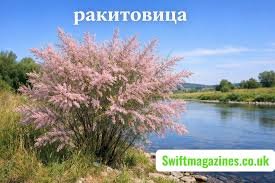
The term “Ракитовица” (transliterated as Rakitovica or Rakitovitsa) is a word of Slavic origin that carries linguistic, geographic, and cultural significance. While it may appear unfamiliar to some readers, the term is commonly associated with place names, natural features, and historical references across several Eastern European and Balkan regions.
Linguistic Meaning of Ракитовица
Slavic Language Origins
“Ракитовица” originates from Slavic languages, where:
- “Ракита” (Rakita) generally refers to a willow tree
- The suffix “-овица” (-ovica / -ovitsa) typically denotes:
- A place associated with something
- A geographical feature
- A settlement or locality
Literal Interpretation
Based on linguistic structure, Ракитовица roughly means:
“Place of willows”
“Willow area”
“Willow settlement”
This naming pattern is extremely common in Slavic regions, where villages and towns are often named after natural features.
Geographical Uses of Ракитовица
One of the most frequent uses of the term is as a place name.
1. Villages and Settlements
Across Slavic-speaking countries, Ракитовица may refer to:
- Rural villages
- Small settlements
- Historic localities
- Geographic districts
Such names often indicate that the area historically contained abundant willow trees, rivers, or wetlands.
2. Natural Features
In some contexts, Ракитовица may describe:
- Valleys
- River regions
- Forest areas
- Landscapes rich in vegetation
Because willow trees commonly grow near water, the term often implies a connection to streams, rivers, or fertile soil.
Cultural and Historical Significance
Traditional Naming Practices
In Slavic cultures, nature-based names are deeply rooted in tradition. Names like Ракитовица often reflect:
Environmental characteristics
Agricultural relevance
Historical landscape identity
For example, willow trees were traditionally valued for:
- Basket weaving
- Woodcraft
- Medicinal uses
- Riverbank stabilization
Thus, areas named Ракитовица may have once had economic or ecological importance.
Symbolic Meaning of Willow Trees
Willows carry symbolic value in many Slavic traditions:
- Associated with renewal and resilience
- Linked to water, fertility, and life
- Featured in folklore and poetry
This gives the name a cultural depth beyond geography.
Modern Uses of the Term
1. Geographic References
Today, Ракитовица commonly appears in:
- Maps
- Addresses
- Travel guides
- Regional descriptions
2. Historical and Genealogical Research
Researchers may encounter the term in:
- Historical records
- Census archives
- Migration documents
- Family lineage studies
3. Tourism & Local Identity
Some regions with this name use it in:
- Tourism promotion
- Cultural heritage branding
- Local storytelling
4. Literary & Artistic Contexts
Due to its poetic natural roots, Ракитовица may also appear in:
- Literature
- Folk songs
- Cultural narratives
Why Place Names Like Ракитовица Matter
Understanding names like Ракитовица helps reveal:
Historical landscapes
Environmental history
Cultural traditions
Linguistic patterns
Such names act as living records of geography and heritage.
Common Variations and Spellings
Depending on language and transliteration, you may see:
- Rakitovica
- Rakitovitsa
- Rakitovice
- Rakitovici
All stem from the same root concept tied to willow trees.
Conclusion
The term Ракитовица is more than just a word it represents a blend of language, nature, and cultural identity. Rooted in Slavic linguistic tradition, it typically signifies a “place of willows”, reflecting both environmental features and historical naming customs.