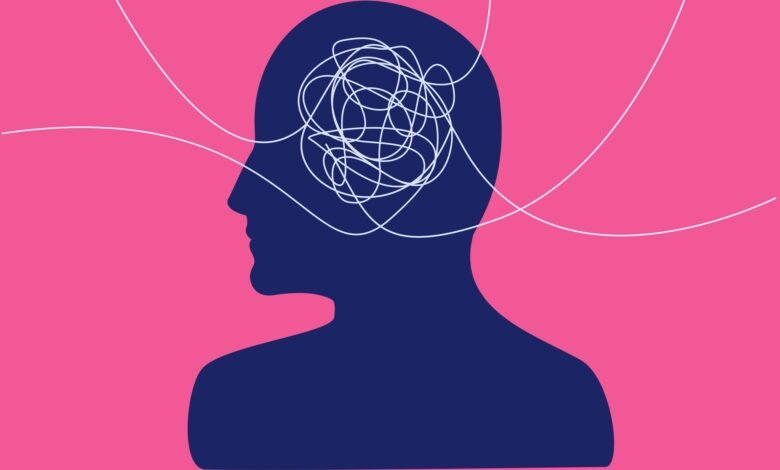
In today’s fast-paced world, more people are beginning to understand that mental health and physical health are deeply connected. Wellness trends such as “holistic health,” “mind-body connection,” and “integrated well-being” are becoming more popular as experts highlight how our thoughts, emotions, and physical bodies influence each other.
This article explores how mental and physical health are linked and why taking care of both is essential for a balanced, healthy life.
Why Mental and Physical Health Are Connected
Your mind and body are not separate systems. They work together, constantly sending signals and reactions that affect how you feel, think, and behave. When one is struggling, the other often follows.
For example:
- Stress can cause headaches or stomach problems.
- Anxiety can lead to rapid heartbeat or difficulty sleeping.
- Depression can reduce energy and weaken the immune system.
This connection is known as the mind-body relationship, and understanding it helps us take better care of ourselves.
How Mental Health Affects Physical Health
1. Stress Impacts the Body
Stress is one of the biggest examples of how mental health affects physical health. When stressed, your body releases cortisol a hormone that prepares you for danger. However, long-term stress can cause:
- High blood pressure
- Digestive issues
- Weakened immune system
- Muscle tension
- Sleep problems
Over time, chronic stress increases the risk of serious illnesses.
2. Anxiety and Physical Symptoms
Anxiety doesn’t just affect your emotions it can create physical reactions such as:
- Rapid heartbeat
- Shortness of breath
- Chest pain
- Dizziness
- Fatigue
These symptoms can be frightening, causing even more anxiety and creating a cycle that affects overall health.
3. Depression and Body Functioning
Depression affects motivation, energy levels, and the ability to enjoy daily activities. But it also impacts the body by:
- Weakening the immune system
- Increasing inflammation
- Causing appetite changes
- Disrupting sleep patterns
People with depression often report physical pain, such as back pain or headaches.
How Physical Health Affects Mental Health
1. Lack of Sleep Affects Mood and Thinking
Sleep is essential for brain function. Poor sleep can lead to:
- Irritability
- Trouble concentrating
- Increased stress
- Higher risk of anxiety or depression
Good sleep habits support both emotional stability and physical well-being.
2. Poor Nutrition Influences Mood
What you eat affects how you feel. Diets high in sugar and processed foods can increase the risk of depression and anxiety. On the other hand, foods rich in:
- Omega-3 fatty acids
- Vitamins
- Antioxidants
- Whole grains
help support brain health and emotional balance.
3. Physical Inactivity Can Lower Mental Wellness
Regular exercise releases endorphins chemicals that boost mood and reduce stress. Without movement, people may experience:
- Low energy
- Poor mood
- Higher anxiety
- Reduced confidence
Even light activity, like walking or stretching, can make a big difference.
The Importance of a Holistic Approach to Health
Since mental and physical health are deeply connected, caring for one automatically supports the other. A holistic approach to health focuses on the whole person mind, body, and lifestyle.
This approach includes:
- Eating nutritious foods
- Getting regular exercise
- Practicing mindfulness or meditation
- Building strong social connections
- Managing stress in healthy ways
- Prioritizing sleep
By balancing these areas, you create a foundation for long-term well-being.
Tips to Improve Both Mental and Physical Health
Here are simple habits you can start today:
- Take short walks daily
- Practice deep breathing or meditation
- Get 7–9 hours of sleep each night
- Stay hydrated
- Talk to someone when you’re feeling overwhelmed
- Reduce your screen time
- Eat more whole foods and fewer processed foods
Small steps lead to big changes over time.
Conclusion
The connection between mental health and physical health is powerful. When your mind suffers, your body reacts and when your body is neglected, your mind feels the impact. Understanding this relationship helps you make healthier choices and live a more balanced, fulfilling life.