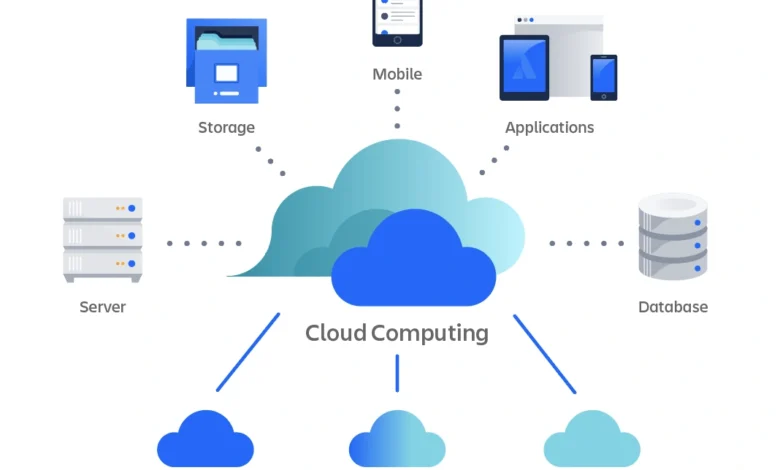
Cloud computing has become one of the most important technologies in today’s digital world. Businesses, developers, and everyday users rely on cloud services to store data, access applications, and improve productivity. Whether you’re a student, tech enthusiast, or business owner, understanding the key features of cloud computing can help you make smarter decisions in the digital era.
Here are 10 essential features of cloud computing you should know.
1. On-Demand Self-Service
Cloud platforms allow users to access resources—such as storage, servers, and applications—whenever they need them. There’s no need to contact support or wait for manual setup. With just a few clicks, you can get started instantly.
2. Broad Network Access
Cloud services can be accessed from anywhere through an internet connection. Whether you’re using a laptop, smartphone, or tablet, you can reach your data and applications globally, making remote work easier than ever.
3. Resource Pooling
Cloud providers use shared resources to serve multiple users at the same time. This allows them to deliver services efficiently while keeping costs low. Users don’t have to worry about where their data is stored — the cloud manages everything behind the scenes.
4. Rapid Elasticity
One of the most powerful features of cloud computing is elasticity. You can scale resources up or down depending on your needs. For example:
- Increase storage during high traffic
- Reduce computing power to save money during slow periods
This flexibility makes cloud computing perfect for growing businesses.
5. Measured Service
Cloud platforms track your resource usage like processing power, bandwidth, and storage. This helps ensure fair billing and prevents waste. You only pay for what you use, which makes cloud computing cost-effective.
6. Automated Management
The cloud handles routine tasks like updates, backups, and system monitoring automatically. This reduces human error, saves time, and ensures smooth performance without constant manual work.
7. High Security
Modern cloud providers use advanced security measures including:
- Data encryption
- Firewalls
- Identity management
- Regular audits
These features help protect sensitive data and reduce security risks.
8. Reliability and Redundancy
Cloud systems are designed to stay online even if hardware fails. Providers use multiple data centers and backup systems to ensure your applications and data stay available. This improves uptime and reduces the risk of data loss.
9. Global Reach
Cloud computing is available worldwide. Services can be deployed across different regions, allowing businesses to serve customers globally with low latency and fast performance.
10. Cost Efficiency
With no need to buy expensive hardware or maintain physical servers, cloud computing greatly reduces IT costs. You pay only for what you use and can adjust your spending as your needs change.
Final Thoughts
Cloud computing has revolutionized the way we store data, run applications, and manage technology. Its flexibility, reliability, and cost-effectiveness make it an essential tool for modern life and business operations. Understanding these 10 key features helps you appreciate why the cloud continues to shape the future of technology.