
About This Article
Discover practical ways to pick the best food for health that fit your life and support your wellness goals. Learn more below.
Introduction
Walk into any grocery store and you’ll see hundreds of choices. Many have health claims on the box that don’t tell the whole story. But choosing foods that truly feed your body doesn’t require a nutrition degree or hours of study each week.
This guide shows you seven straightforward ways to pick foods that support your health without overthinking it. You’ll learn how to read what matters, what to look for in your kitchen, and how to build meals that actually taste good.
Table of Contents
Understand What Nutrition Really Means
Food is more than just fuel. It’s medicine for your body. It affects everything from your energy to how you think and feel. When you choose the best food for health, you’re picking items that give you vitamins, minerals, fiber and protein that your body actually needs. Whole foods that are barely processed keep more nutrients. Highly processed versions don’t keep as much.
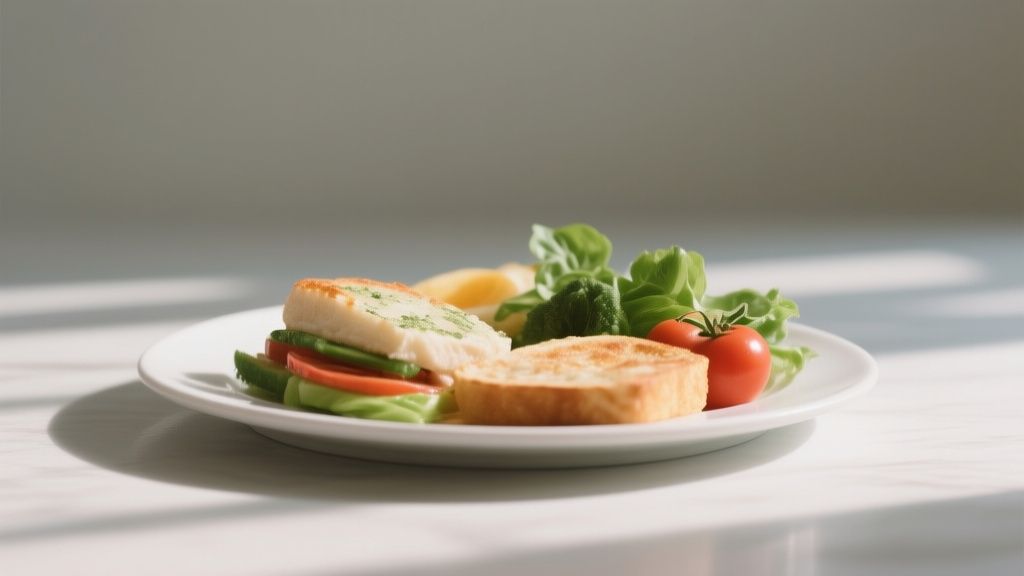
Your body can’t store most vitamins and minerals for long. You need fresh supplies regularly. Every meal is a chance to add something that helps. Whole foods like fruits, vegetables, fish and grains do this far better than processed snacks or fast food ever can.
Why Fresh Beats Processed
Refining grains removes fiber and B vitamins that live in the outer layers. Whole grain varieties keep these things.
Focus on Foods That Give Your Body Real Value
Every bite should count. That doesn’t mean never enjoying treats. But it means making most of your eating choices add up. According to the Healthy diet guidance, your meals should be based on balance, variety and foods that are barely processed and low in unhealthy fats and added sugars.
Start by filling half your plate with fruits and vegetables at lunch and dinner. They’re packed with everything your body needs and very little of what it doesn’t.
The Power of Small Habits
You don’t need to overhaul everything at once. Swapping one sugary drink for water each day adds up fast. Choosing whole grain bread instead of white also makes a real difference.
According to research on Heart-Healthy Living, choosing foods like fish high in omega-3 fatty acids, lean meats, whole grains and legumes as your protein sources makes a real difference. Aim for fish twice a week. Beans and lentils cost less and store longer than meat. That makes them practical too.
Real change happens when you make one better choice after another until it feels normal. Your taste buds will adapt. Foods you thought were healthy might start tasting too sweet or too salty once you’ve eaten real food for a while.
Learn to Read Labels Without Getting Stuck
Food labels give you facts, but they’re written to sell, not to educate. You don’t need to memorize numbers or get bogged down in details. Focus on three things: the ingredient list, the amount of added sugar, and how much salt is in there.
If the ingredient list is longer than five items, or if you can’t pronounce half of them, that’s a red flag. Real food has real names. Look for items that list simple things: oats, apples, salt, oil. If it says “natural flavor” or contains words ending in “-ate” or “-ose” you don’t recognize, it’s probably been tinkered with in ways that don’t help you.
Added Sugar and Salt Matter Most
Your body needs some salt and can handle some sugar, but most packaged foods contain too much of both. Check the label and ask yourself: would I add this much honey or salt if I were cooking at home? If the answer is no, skip it or buy a version with less.
When you shop mostly at the edges of the store where fresh food lives, you spend far less time reading labels. That’s by design: real food doesn’t need to convince you it’s healthy.
Real Examples of Smart Food Choices
Walking into your kitchen and seeing what good choices look like is easier than trying to memorize rules. A typical day might start with eggs and toast made from whole grain bread.
For lunch, a salad with grilled chicken, lots of different vegetables and olive oil dressing works well. It’s fast to put together if you prep ingredients ahead. It fills you up without weighing you down.
What Dinner and Snacks Look Like
Dinner might be baked salmon with roasted broccoli and sweet potato. This hits all the marks: lean protein, vegetables with antioxidants, and a carb that actually has nutrients.
For snacks, reach for an apple with almond butter, a handful of almonds, Greek yogurt, or carrot sticks with hummus. These options have protein, healthy fats, or both. They satisfy hunger instead of making you crave more an hour later.
Common Mistakes That Hold People Back
Eating regular meals can help prevent extreme hunger that leads to overeating, though meal timing varies by individual.
Why Trends Can Mislead
Trending diets come and go, but the basics never change: eat mostly plants, get enough protein, stay hydrated, and move your body. You don’t need to cut out entire food groups or count every calorie. One diet says to avoid carbs, another says to avoid fat. Meanwhile, people who just eat real food in reasonable amounts do fine.
Practical Tips for Readers
Start your week by planning three dinners and one breakfast you know you like. You don’t need fancy recipes. Simple cooking often tastes better and takes less time. Buy what you need for those meals plus some basic snacks, and you’re set.
Keep your kitchen stocked with foods that are hard to mess up: eggs, canned beans, frozen vegetables, whole grain bread, olive oil, nuts and fruit. When hunger hits, you’ll have something real to eat instead of reaching for chips or cookies because there’s nothing else around.
When Eating Out or Busy
Restaurants usually offer grilled chicken or fish, vegetables and a starch. Order that, hold the extra butter and sauce, and you’ve got a solid meal.
Current Trends and Challenges
Finding truly healthy food has gotten harder even when more people care about health. Ultra-processed foods now fill most grocery shelves and cost less than whole foods in many places.
What’s Changing in Food
Plant-based options have exploded. They give people more choices if they want to eat less meat. But many store-bought plant-based products are also ultra-processed and high in salt and sugar. They’re not automatically better just because they don’t have meat.
Comparison Table
Different ways of eating well each have good points and bad points. Here’s how some common frameworks stack up.
Each method works best when it fits your life. The simplest approach you’ll actually follow beats the perfect approach you’ll quit after two weeks.
Frequently Asked Questions About best food for health
What should I eat if I’m trying to build muscle?
You need enough protein at each meal. Aim for a palm-sized piece of chicken, fish, beef or eggs, or a full cup of beans or lentils. Add whole grains and plenty of vegetables. Then eat enough total calories to support training. Consistency with food and exercise matters far more than perfection.
How can I eat well on a tight budget?
Buy beans, lentils, eggs, oats, rice, seasonal vegetables and frozen fruit. These staples cost less than processed snacks and deliver far more nutrition. Cooking at home instead of eating out saves huge amounts of money over time. A simple meal beats an expensive convenience food every time.
Is it okay to eat carbs if I want to stay healthy?
Yes, your body needs carbs for energy and brain function. The type matters more than the amount. Whole grain bread, oats, beans and sweet potatoes are carbs that also deliver fiber and nutrients.
How much fruit and vegetable should I be eating daily?
Aim for at least five portions of varied fruits and vegetables each day. A portion is roughly a handful. That might be an apple at breakfast, carrot sticks at lunch, salad at dinner and berries for a snack. Frozen and canned versions count too.
What’s the best way to handle cravings?
Drink water, take a walk or rest first and see if the craving passes. If you still want something sweet or salty an hour later, eat a small portion of what you want rather than trying to white-knuckle it. One cookie won’t hurt, and you’ll feel satisfied sooner.
Conclusion
Choosing the best food for health isn’t complicated or expensive. It’s about picking foods closer to nature. Eat a mix of vegetables and protein. Do this most of the time.
Start this week by picking one thing from this guide to try. Maybe it’s adding one extra vegetable to dinner. Or swapping out one processed snack for an apple and almonds.
Expert Insight
The World Health Organization advises that the best food for health should be based on adequacy, balance, moderation and diversity, with minimally processed foods low in unhealthy fats, free sugars and sodium, because this foundation supports long-term wellness across all ages and lifestyles.
When you walk through the store or plan meals, remember that Healthy Eating As You Age means giving your body foods that contain the vitamins, minerals and fiber it really needs to thrive. Those foods are easier to find, prepare and enjoy than you might think. Fruits, vegetables, whole grains, fish and lean meats have fed people well for thousands of years. They’ll work for you too. Also, many people find that are food preservatives actually safe to eat when consumed in moderation is worth learning about. This matters most when comparing fresh and packaged options at checkout. Finally, understanding why are food preservatives in everything you eat can help you make smarter choices about which products deserve space in your home.
About The Author