About This Article
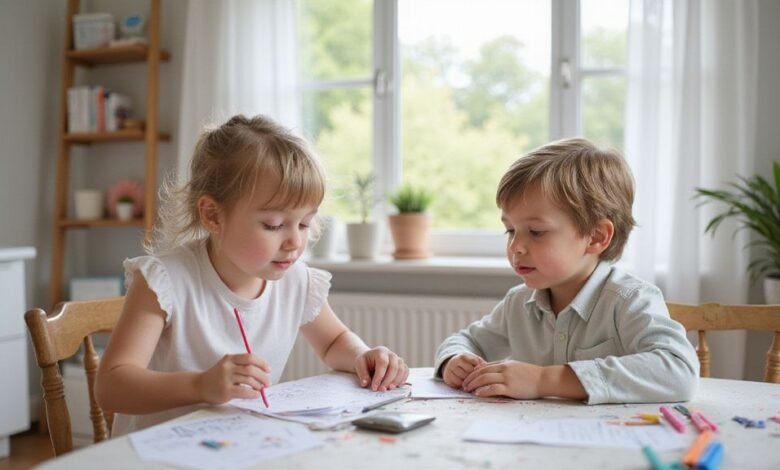
Explore how early years shape creative thinking and learn why childhood and creativity form the foundation of lifelong imagination. Learn more below.
Introduction
Every child draws, builds, plays and makes things without worry. This wish to create is one of the most powerful forces in early growth. Yet many adults lose it as they get older. The link between childhood and creativity is not by chance. The things kids do, the help they get, and the freedom they have in their early years shape how creative they become as teens and adults.
Understanding this connection matters for parents, teachers and anyone who works with young people. Creative thinking helps children solve problems. It helps them adapt to change. It helps them express themselves in healthy ways. When we see how early years shape creative ability, we can build better spaces. We can make sure imagination grows strong.
The Building Blocks of Imagination
Creative ability in children starts with play, curiosity and freedom to try new things. Play is not a waste of time, it is how young minds learn to think in new ways. When a child builds with blocks, draws pictures or makes up stories, they build brain paths that support creative thought for life.
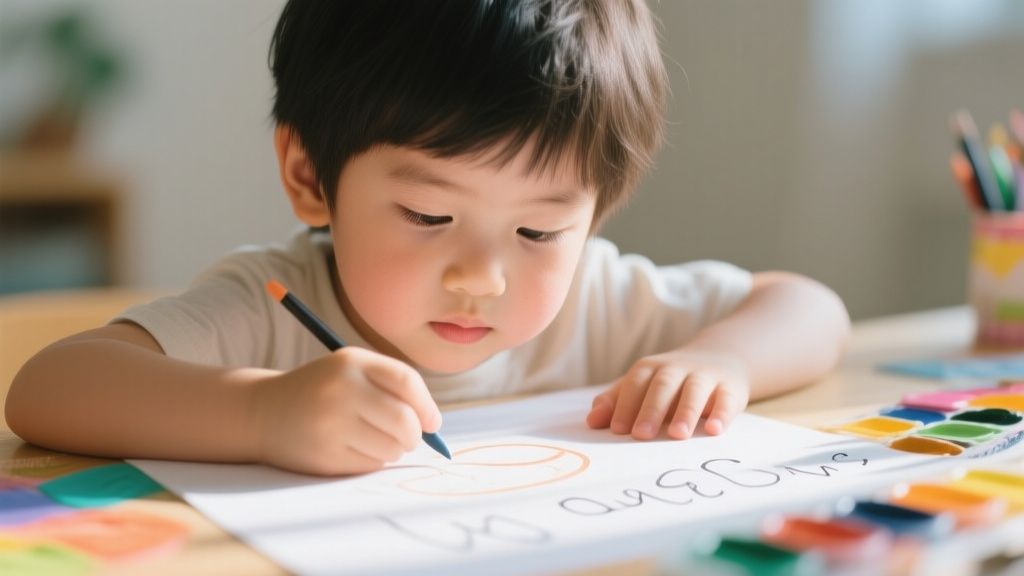
Imagination grows when children have access to open materials and safe spaces to explore. A box of crayons, some clay and a quiet corner can spark more creative growth than any expensive toy. Children learn to make ideas, test them and learn from failure when adults step back and let them lead.
Early Experiences Shape Later Ability
The first five years are critical for creative growth. During this time, children’s brains are most open to new ways of thinking and big ideas. Research shows that creativity overview grows fastest when young learners feel safe to make mistakes without judgment.
As children grow, their creative ability gets bigger or smaller based on what they see and do around them. Encouragement from parents and teachers acts like plant food for creativity. Without it, many children learn to play it safe. They copy what others do instead of making their own ideas.
The habits formed in childhood stay with us long into adulthood. Children who spend time creating tend to become adults who solve problems in new ways and think on their own.
Why Creative Growth Matters Early
Creative thinking is not just for artists. It is needed in every field and every life challenge. A child who learns to think creatively develops better problem-solving skills. They build stronger feelings about themselves. They have more trust in their abilities. These skills help them do better in school. They help with friendships and stress as they grow. A related resource on this topic is Can Stomach Gas and Heart Connection.
When childhood and creativity are helped along together, children learn to bounce back. They know that failure is part of the process. It is not an end point. This mindset carries into their jobs and relationships. It makes them more able to adapt. They can find new solutions as adults.
Long-Term Benefits for Every Child
Children who do creative activities do better in school across many subjects. They develop stronger communication skills. They learn to share ideas in many ways. Their brains become more flexible. They can see links that others miss.
Creativity also protects mental health during childhood and beyond. Creative outlets give children a healthy way to process emotions. They work through fears and celebrate joy. A child who draws, writes or plays music has a tool. It helps them express themselves. This tool serves them their whole life.
The Brain’s Creative Process
Creative thinking uses multiple brain systems working together. The part of the brain that handles imagination does not turn on by itself. It needs to be turned on through play, trying new things and freedom from pressure. Young brains are built for creativity, but this ability needs practice to stay strong.
When children are stressed, rushed or over-managed, the creative parts of the brain become less active. Instead, the brain focuses on safety and following rules. This is why free time, outdoor play and open-ended activities are so vital. They matter most during the early years.
How Practice Strengthens Creative Thinking
Every time a child tries something new, makes a mistake and tries again, they make the brain paths stronger. These paths support creative thought. This is true whether they are building something, solving a puzzle or making up a story. Repetition, exploration and safe failure build creativity. It works like exercise builds muscle.
The brain’s creative circuits also connect to parts that handle memory, emotion and planning. This is why creative children often do well at telling stories, learning new skills and handling their feelings. One strength helps the other.
Stories From Growing Minds
A child who loves to draw starts early, filling pages with pictures. Her parents show her art and ask her to tell them what she drew. They never tell her it is wrong. By age seven, she tries new ways of looking at things and new methods. She makes up stories for each character.
Common Pathways in Creative Growth
Many creative children start with one love. It might be music, building, writing, movement or visual art. They spend hours lost in their activity. Over time, they start to blend skills. They might combine music with stories or building with design.
Common Mistakes to Avoid
The biggest mistake is treating creativity as a luxury instead of a need. Some parents and schools push academic skills so hard that there is no time for open play. There is no time for artistic exploration. This harms growth. Creativity actually helps learning in every subject, including math and reading.
Avoiding the Praise Trap
Praising only the finished product teaches children that their worth depends on performance. Instead, notice the effort and the choices they made. Notice the risks they took. This builds trust in their creative process, not just in results.
Practical Tips for Readers
Start by creating space for play with minimal rules or structure. Provide simple things like paper, paint, blocks, clay and natural objects. Let your child lead. Follow their interests rather than teaching them step-by-step.
Ask open-ended questions like “What are you creating?” and “What happens if you try this?” Ask “How could you solve this?” These questions invite thinking. They look for many answers, not just one right answer. They model the curious mindset that helps creative growth. Readers who want to go deeper can start with Top 5 Features of Banflix You.
Building Creative Habits at Home
Protect unstructured playtime as fiercely as you protect homework time. This might mean turning off screens. Say no to some activities so there is room for rest and free play. Set aside a space where creative work can stay out. A project can grow over time.
Current Trends and Challenges
Today’s children face more push to achieve specific skills earlier than in past generations. Screen time has gone up, and free outdoor play has gone down. Many schools have cut arts programs due to budget cuts. These changes threaten the creative growth that young minds need.
At the same time, parents and teachers are starting to see how much creativity matters. More schools are opening maker spaces and using project-based learning. Parents are looking for other choices to constant structured activity. They see that free play is an investment in their child’s future.
Technology as Tool and Barrier
Technology offers new creative outlets, digital art, music production, video creation and coding can all be deeply creative. Yet passive use through apps and videos fills the time children used to spend making up their own games. It fills the time they used to spend creating stories. The key is balance: creative tech tools yes, endless screen use no.
Comparison Table
Different approaches to helping creative growth each have strengths and limits. Here is how four common methods compare:
Each method works best when mixed with others. A child benefits from free play at home, access to classes if possible and school programs that value creativity.
Frequently Asked Questions About childhood and creativity
At what age does creative development begin?
Creativity starts in infancy and grows fast in the toddler years. A baby exploring textures and sounds is already being creative. The early years, especially from birth to age five, are when the foundation is strongest. This is when lifelong creative ability forms.
Can creativity be taught or is it something you are born with?
Both nature and nurture matter. Every child is born with creative potential. That potential grows or shrinks based on their experiences. The good news is that creativity can be grown at any age. It takes practice, permission and practice again.
Does too much screen time really harm a child’s creativity?
Passive screen time takes hours that could be spent in active play and exploration. However, creative uses of technology can help creativity. You could make videos, digital art or coding. The key is balance. Choose active tools over passive use.
How can I tell if my child is creative?
Look for curiosity, playfulness and willingness to try new things. Creative children often lose track of time while absorbed in an activity. They ask “what if” questions. They find unusual uses for everyday objects. These signs show creative thinking in action.
What if my child seems to lack creativity or interest in arts?
Creativity shows up in many forms. It is not just about art. A child interested in how things work, strategy games or building is being creative too. Focus on their interests. Provide low-pressure chances to explore rather than forcing them into traditional art activities.
Conclusion
The connection between childhood and creativity is one of the most important parts of child growth. Early experiences shape not just how creative a child becomes. They shape how the child thinks and solves problems. They shape how the child approaches life itself. When we see this link, we can create spaces where imagination grows strong instead of dies.
Start today by making space for play, asking open-ended questions and stepping back from constant direction. Your child’s creative potential is waiting for permission and practice. Give them that gift. Watch how it changes not only their childhood but their entire future.
Expert Insight
Educators and child development specialists emphasize that childhood and creativity thrive together when children have autonomy, access to materials and freedom from judgment. Protecting unstructured play time is one of the most effective ways to support lifelong creative thinking and problem-solving ability.
About The Author