About This Article
Food preservatives are chemicals added to products to slow spoilage and extend shelf life. This guide explores their safety, how they work, and what science tells us today. Learn more below.
Introduction
Almost every packaged food in your kitchen has food preservatives. From bread and yogurt to canned beans and snack bars, these additives keep products fresh for weeks or months. Most people eat them every day without thinking twice, yet questions about their safety never go away.
The truth is not just “safe” or “unsafe.” This article shows what preservatives really do, which ones regulators approve, and what new research says about eating them every day. By the end, you will know how to read labels and make smart choices about what you put on your table.
Table of Contents
- What it is
- Why it matters
- How it works
- Practical examples
- Comparison table
- FAQ
- Conclusion
Understanding Common Additives in Food
Food preservatives are substances added during production to stop or slow down bacterial growth, mold, oxidation, and rancidity. They come in two main types: natural and synthetic. Natural preservatives include salt, sugar, and citric acid, which people have used for hundreds of years. Synthetic ones like benzoates and sorbates were made in labs and now appear on almost every ingredient list.
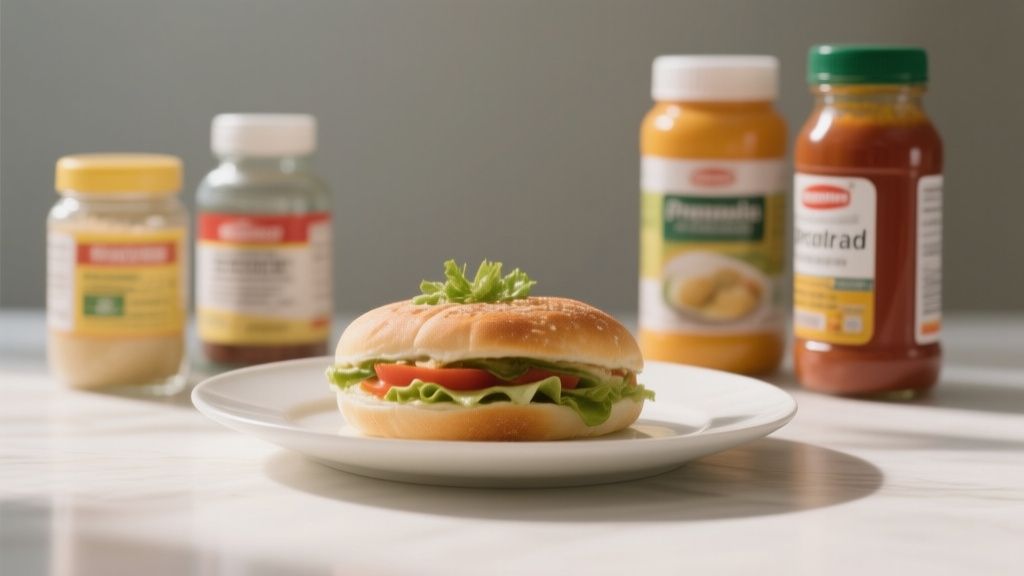
The word “preservative” sometimes confuses people. It does not mean the food is somehow artificial or dangerous. Rather, it is a tool that keeps perishable goods edible long enough to reach your kitchen. Without them, many products would spoil within days or even hours.
Common Types and Their Uses
Benzoic acid and sodium benzoate prevent mold and yeast growth in acidic foods like fruit juice and salad dressing. Sorbates work similarly in products such as cheese and baked goods. Nitrates and nitrites keep meat pink and stop botulism bacteria in ham, bacon, and sausage. Sulfates protect dried fruits and wine from browning and microbial spoilage. Each type targets specific problems that occur during storage and transport.
Why This Matters for Your Health
Knowing about food preservatives helps you make choices that fit your life and what you care about. Some people avoid certain additives because of allergies or sensitivities. Others worry about long-term effects from eating them every day. Regulators like the FDA check these compounds before approval, but the debate about acceptable risk levels keeps going.
Labels now make it easier to know what you are eating. Many companies highlight products as “preservative-free” because consumer demand has grown. This shift means you have more options than ever to match your values with your purchases.
Real-World Impact on Everyday Choices
A parent with a child who has a sensitivity to sulfates can now read labels and avoid dried fruit or processed wine products that have it. Someone who wants fewer additives can choose fresh produce or make their own jam with natural methods. The awareness around food preservatives has pushed manufacturers to develop cleaner alternatives, giving everyone more control over what they eat.
How Preservation Methods Actually Work
Preservatives stop food spoilage by interfering with the processes that cause decay. Bacteria and mold need certain conditions to grow: moisture, warmth, and sometimes oxygen. Benzoates and sorbates change the pH or chemical balance inside cells, preventing microbial reproduction. Antioxidants like vitamins E and C block oxidation, which causes fats to turn rancid and taste bad.
The method depends on what threat you need to stop. Salt draws moisture away from food and bacteria alike, an ancient technique still used in curing meat. Sulfates bind to oxygen, stopping browning and microbial growth at the same time. Nitrates form a compound that stops botulism toxin production while also fixing the red color in cured meats.
The Science Behind Shelf Stability
Each additive works through a specific chemical or physical method. Understanding this helps clarify why regulators approve some and ban others. A preservative that stops bacterial growth at tiny doses but causes harm at high levels will be approved with a safe limit. One that shows no clear method of harm is sometimes restricted out of caution, even if short-term tests suggest safety.
Practical Examples of Preservation in Action
Walk through any supermarket and you will spot additives on almost every label. Bottled salsa contains benzoates to stop mold while sitting on shelves for a year. Breakfast cereals use BHT, an antioxidant, to keep oils fresh and stop stale flavors. Canned tomato sauce relies on citric acid and sometimes potassium sorbate to stay safe without refrigeration.
Your refrigerated yogurt likely contains potassium sorbate or gelatin. Bread often includes calcium propionate, which stops mold growth and keeps freshness for a week or more. Even “natural” granola bars often contain mixed tocopherol, a vitamin E extract, to stop rancidity in nuts and seeds.
Common Products You Eat Daily
Canned fruit packed in syrup uses sulfates or ascorbic acid. Deli meat relies on sodium nitrite for both safety and color. Jam and jelly contain pectin as a natural thickener and sometimes potassium sorbate as backup. Frozen dinners use a mix of additives to keep sauces stable during thaw and reheating. None of these products would last as long on shelves without these tools.
What Is Changing in Food Safety Today
Consumers have asked for cleaner labels, and this has sparked new ideas in preservation techniques. More companies now use natural alternatives like rosemary extract, vitamin E, and salt rather than synthetic chemicals. Some brands say “no artificial preservatives” even if they still use approved synthetic ones under a different name.
At the same time, food science keeps advancing. High-pressure processing, modified atmosphere packaging, and newer antimicrobial methods offer alternatives to traditional chemical additives. These newer approaches can extend shelf life without the molecules people worry about. However, they are often more expensive, which is why conventional preservatives remain common in budget-friendly products.
Emerging Concerns and Solutions
Research into rare sensitivity reactions has made regulators more cautious about certain additives. Sulfates, for example, can trigger asthma-like symptoms in sensitive individuals, so they are now labeled clearly. Sodium levels in preserved foods have drawn scrutiny, prompting companies to reduce salt where possible. The balance between safety, shelf life, and consumer preference keeps shifting as new data emerges and tastes change.
Comparison Table
This table shows how different preservative types compare in terms of effectiveness, limitations, and common uses.
Each preservative fills a specific need in food production. The choice depends on the product type, shelf life goals, and how a company wants to position its brand.
Frequently Asked Questions About Food Preservatives
Are all additives on food labels actually harmful?
No. Most approved additives are safe at the levels used in food. Regulators set limits well below amounts that cause harm in animal studies. However, people with specific allergies or sensitivities should avoid certain ones, such as sulfates or certain dyes.
Which preservatives should I try to avoid?
That depends on your health and values. Some people avoid sodium nitrite due to concerns about processed meat and cancer risk. Others steer clear of sulfates if they have asthma. Reading labels helps you identify which ones matter most to you and your family.
Do natural preservatives work as well as synthetic ones?
Natural preservatives like salt, sugar, and rosemary extract work, but often need higher amounts or shorter shelf life. Synthetic ones are often more powerful, which means less is needed. Both types are regulated and approved for safety.
Why are food preservatives in everything I buy?
Without these additives, most packaged foods would spoil quickly, wasting money and posing safety risks. They allow products to travel long distances, sit on shelves, and stay safe for weeks or months. This global food system depends on preservation technology.
Can I eat foods with preservatives every day?
Yes, for most people. Approved additives are used at levels considered safe for daily consumption. If you have allergies, sensitivities, or specific health concerns, talk to a doctor about which foods or additives to limit.
Conclusion
Food preservatives are not villains. They are practical tools that make modern food systems work, allowing fresh and affordable products to reach tables worldwide. While concerns about additives are worth taking seriously, the science shows that approved preservatives at normal intake levels are safe for most people.
Your job is to stay informed and read labels so you can choose foods that fit your values and health needs. Whether you prefer fewer additives, natural alternatives, or simply accept what keeps food affordable and accessible, the choice is yours. Start by checking ingredient lists on your favorite products today.
Expert Insight
Regulatory agencies like the FDA require safety testing before any preservative enters the food supply, setting limits far below amounts shown to cause harm. This rigorous approval process is why approved additives have an established safety record for most consumers, though individual sensitivities always warrant personal attention.
About The Author