Introduction
Gastroschisis is a rare but serious birth condition that affects newborn babies. Although it can sound frightening to parents and caregivers, medical advances have significantly improved outcomes for babies born with this condition. Understanding gastroschisis helps raise awareness, supports early diagnosis, and prepares families for treatment and recovery. Below are the top five important facts you need to know about gastroschisis.
1. Gastroschisis Is a Congenital Abdominal Wall Defect
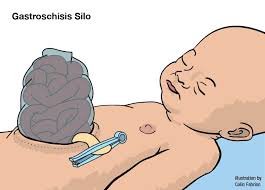
Gastroschisis is a congenital condition, meaning it is present at birth. It occurs when a baby’s abdominal wall does not form properly during early pregnancy. As a result, the intestines (and sometimes other organs) develop outside the baby’s body, usually through an opening near the belly button.
Unlike some similar conditions, the exposed organs in gastroschisis are not covered by a protective membrane, which makes prompt medical care essential after birth.
2. The Exact Cause Is Still Unknown
The precise cause of gastroschisis is not fully understood. However, researchers believe it may be linked to:
- Disruptions in blood flow during fetal development
- Environmental factors
- Maternal age (higher occurrence in younger mothers)
Importantly, gastroschisis is not caused by anything a parent intentionally did or did not do, and it is not usually inherited.
3. It Is Often Diagnosed Before Birth
Most cases of gastroschisis are diagnosed during routine prenatal ultrasounds. Early detection allows doctors to:
- Monitor the baby’s development closely
- Plan for a specialized delivery
- Prepare immediate surgical care after birth
Prenatal diagnosis significantly improves medical preparedness and outcomes.
4. Surgery Is Required Soon After Birth
Babies born with gastroschisis require surgical treatment, often within hours or days after birth. The goal of surgery is to:
- Carefully place the organs back inside the abdomen
- Close the abdominal wall opening
In some cases, this is done gradually over several days. Babies usually stay in the neonatal intensive care unit (NICU) during recovery.
5. Long-Term Outcomes Are Often Positive
Thanks to modern neonatal care and surgical techniques, most babies with gastroschisis survive and go on to live healthy lives. Some children may experience:
- Feeding challenges early on
- Digestive issues during infancy
However, with proper follow-up and care, many children catch up in growth and development over time.
Conclusion
Gastroschisis is a serious but treatable birth condition that requires specialized medical care. Early diagnosis, timely surgery, and advanced neonatal support have greatly improved outcomes. Understanding these five key facts about gastroschisis can help reduce fear, promote awareness, and support families navigating this condition.