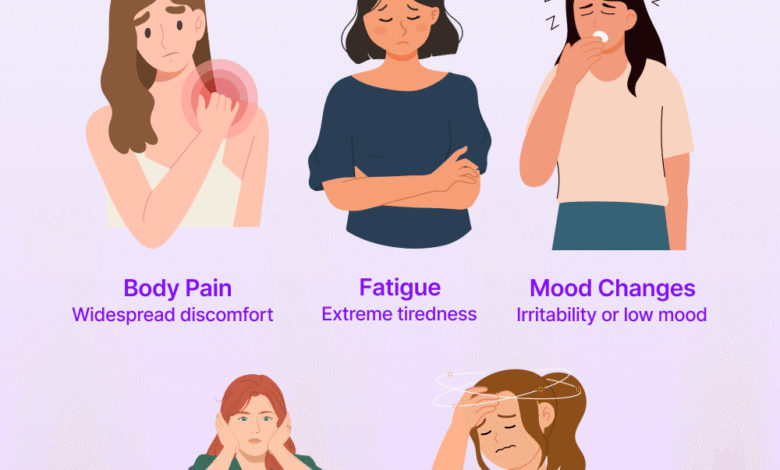
Fibromyalgia is a chronic condition that causes widespread pain, fatigue, sleep problems, and cognitive difficulties often referred to as “fibro fog.” While there is no single cure, many people successfully manage their symptoms through lifestyle changes, medical guidance, and self-care strategies. This article shares 10 practical tips for managing fibromyalgia symptoms and improving daily quality of life.
1. Prioritize Quality Sleep
Poor sleep can worsen fibromyalgia symptoms. Try to:
- Go to bed and wake up at the same time daily
- Create a calm, dark sleep environment
- Avoid caffeine and screen time before bed
Better sleep can significantly reduce pain and fatigue.
2. Pace Yourself Throughout the Day
Overexertion can lead to flare-ups. Learn to:
- Break tasks into smaller steps
- Take regular rest breaks
- Balance activity with recovery
Pacing helps prevent symptom crashes.
3. Stay Physically Active (Gently)
Light exercise can reduce pain and stiffness when done consistently. Consider:
- Walking
- Stretching
- Yoga or tai chi
- Low-impact swimming
Start slow and increase activity gradually.
4. Manage Stress Effectively
Stress often triggers fibromyalgia flare-ups. Helpful stress-management techniques include:
- Deep breathing
- Meditation
- Mindfulness practices
- Journaling
Reducing stress can help calm both the body and mind.
5. Eat a Balanced, Nutritious Diet
While there is no specific fibromyalgia diet, many people feel better when they:
- Eat whole, unprocessed foods
- Limit sugar and refined carbs
- Stay hydrated
- Avoid foods that trigger symptoms
Keeping a food diary may help identify problem foods.
6. Listen to Your Body
Fibromyalgia symptoms can change daily. Pay attention to warning signs and adjust your routine accordingly. Rest when needed, and don’t push through severe pain or exhaustion.
7. Use Heat and Cold Therapy
Heat and cold can help relieve muscle pain and stiffness:
- Warm showers or heating pads relax muscles
- Cold packs reduce inflammation
Use whichever feels most effective for your symptoms.
8. Stay Organized to Reduce “Fibro Fog”
Cognitive symptoms can be frustrating. To manage them:
- Use planners or digital reminders
- Keep routines consistent
- Write things down
Organization can reduce mental strain and anxiety.
9. Work With Healthcare Professionals
Managing fibromyalgia often requires a team approach. A healthcare provider can help with:
- Medications
- Physical therapy
- Pain management strategies
- Mental health support
Never change treatments without professional guidance.
10. Seek Emotional and Social Support
Living with a chronic condition can feel isolating. Support can come from:
- Family and friends
- Support groups
- Online communities
- Counseling or therapy
Emotional support plays a vital role in long-term management.
Conclusion
Managing fibromyalgia is about finding what works best for your body and lifestyle. By combining healthy habits, gentle movement, stress management, and professional care, many people are able to reduce symptoms and improve daily functioning. These 10 tips for managing fibromyalgia symptoms can help you take control and live a more balanced, fulfilling life.