The future of laboratories, often referred to as the “Lab of the Future” or “Lab 4.0,” represents a profound transformation in how scientific research, experimentation, and discovery are conducted. As we move deeper into 2026 and beyond, traditional labs—once defined by benches, glassware, and manual processes—are evolving into highly connected, automated, data-driven ecosystems powered by cutting-edge technologies.
The Vision of the Lab of the Future
Imagine walking into a laboratory where robots handle repetitive tasks like pipetting samples or preparing solutions with flawless precision, while scientists focus on creative problem-solving and analysis. Instruments communicate seamlessly with each other, feeding real-time data into centralized cloud systems. Artificial intelligence (AI) predicts experimental outcomes, suggests optimizations, and even autonomously adjusts parameters to accelerate breakthroughs.
This shift is driven by the need for greater efficiency, reproducibility, and speed in an era of complex global challenges—from developing new medicines and sustainable materials to advancing climate solutions and personalized healthcare.
Key technologies shaping this future include:
- Automation and Robotics — Robotic systems and autonomous carts reduce manual labor, minimize errors, and increase throughput. Labs now feature “self-driving” elements where experiments run with minimal human intervention, allowing researchers to tackle more ambitious projects.
- Artificial Intelligence and Machine Learning — AI analyzes massive datasets, identifies patterns humans might miss, and simulates experiments virtually before physical trials. Tools like predictive modeling cut development times dramatically, turning months of work into days.
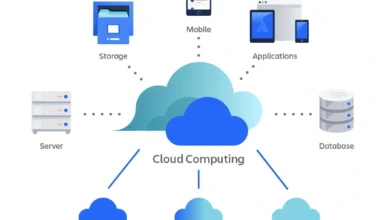
- Internet of Things (IoT) and Connectivity — Sensors monitor equipment, environmental conditions, and samples in real time. This enables remote oversight, predictive maintenance, and instant alerts—ensuring sample integrity and regulatory compliance.
- Digital Tools and Data Management — Electronic laboratory notebooks (ELNs), laboratory information management systems (LIMS), and cloud platforms replace paper records. Big data pipelines handle the “three Vs” (volume, variety, velocity) of information, turning raw data into actionable insights.
- Sustainability and Modular Design — Modern labs prioritize energy efficiency, eco-friendly materials, and flexible, open layouts that encourage collaboration over siloed workspaces.
Benefits and Real-World Impact
These advancements promise faster innovation cycles and higher-quality results. In pharmaceutical research, for instance, automated workflows and AI-driven analysis speed up drug discovery. In materials science, connected labs enable rapid testing of sustainable alternatives.
The lab of the future also promotes inclusivity, with accessibility features for diverse teams and remote capabilities that allow global collaboration without physical presence.
Challenges on the Horizon
While exciting, this transformation faces hurdles. Integrating legacy equipment with new systems requires investment and expertise. Data security, ethical AI use, and workforce upskilling are critical concerns. Labs must balance automation with the human ingenuity that drives true discovery.
A Glimpse Ahead
By the end of this decade, we may see fully autonomous laboratories capable of running complex, multi-domain experiments with little oversight—pushing the boundaries of what’s possible in science and technology.
The Labarty of tomorrow is not just a place of work; it is a dynamic, intelligent hub where technology amplifies human potential, accelerates progress, and helps solve some of humanity’s greatest challenges. The future is connected, automated, and brighter than ever.
For More Articles, click here