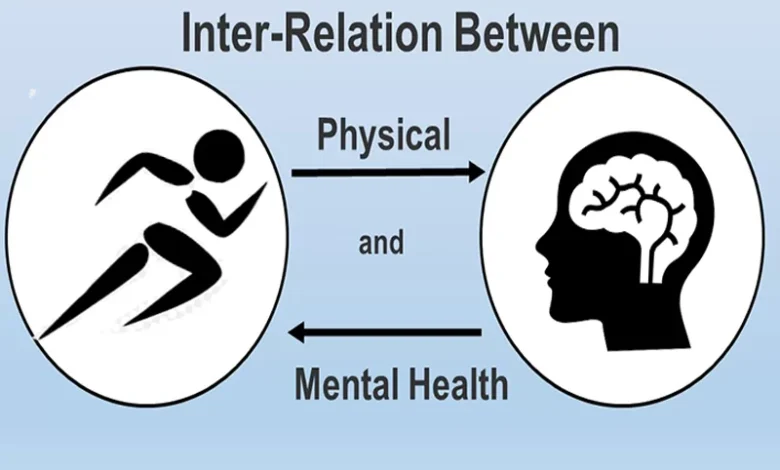
We often think of mental health and physical health as two separate things—but in reality, they are deeply connected. When your mind is stressed, anxious, or overwhelmed, your body reacts. Likewise, when your body is unhealthy or fatigued, it can affect your mood, thinking, and emotional wellbeing. This powerful link is becoming a major focus in health discussions today, as more people recognize that true wellness requires taking care of both mind and body.
In this article, we explore how mental and physical health influence each other and why maintaining a balance between the two is essential for a healthy, fulfilling life.
1. How Mental Health Affects Physical Health
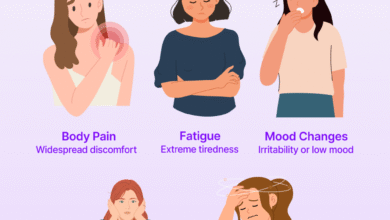
Your thoughts and emotions can directly impact the way your body functions. Mental health conditions—such as stress, anxiety, or depression—can cause physical symptoms.
Common effects include:
- Increased fatigue
- Headaches and migraines
- Weakened immune system
- Digestive problems
- Muscle tension and body pain
- Changes in appetite or sleep
For example, long-term stress triggers the release of cortisol, a hormone that can lead to high blood pressure, weight gain, and chronic inflammation if not managed properly.
2. How Physical Health Affects Mental Health
Physical conditions and lifestyle habits also play a major role in mental health. When your body is not functioning well, your mind feels the strain.
How physical health influences the mind:
- Chronic illnesses can lead to feelings of frustration, sadness, or hopelessness
- Lack of exercise can decrease feel-good hormones like endorphins
- Poor sleep increases irritability and reduces mental clarity
- Nutrient deficiencies may affect mood and energy levels
Even minor physical issues, like ongoing fatigue or pain, can impact emotional wellbeing over time.
3. The Role of Exercise in Mind-Body Wellness
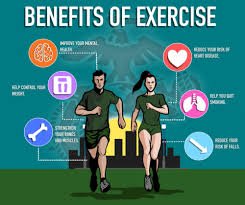
Exercise is one of the best examples of the connection between mental and physical health. Regular movement improves:
- Mood
- Energy levels
- Sleep quality
- Stress management
- Self-esteem
Physical activity increases serotonin, dopamine, and endorphins—chemicals that help regulate emotions and reduce anxiety. At the same time, exercise strengthens your body, improves heart health, and boosts overall vitality.
4. Nutrition and Its Impact on Mental Health
What you eat affects how you think and feel. A balanced diet supports both physical and mental wellness.
Nutrition influences:
- Brain function
- Memory and focus
- Mood stability
- Energy levels
Foods rich in vitamins, minerals, antioxidants, and healthy fats help reduce inflammation and support long-term mental health.
5. Sleep: The Bridge Between Mind and Body
Sleep is essential for both emotional and physical restoration. Poor sleep can lead to:
- Difficulty concentrating
- Mood swings
- Increased stress
- Weakened immune system
Meanwhile, good sleep helps your body recover, sharpens the mind, and stabilizes emotions, making it a key factor in overall health.
6. Stress: A Shared Enemy of Mind and Body
Stress is one of the clearest examples of the mind-body connection. When you’re stressed:
- Your muscles tense up
- Your heart rate increases
- Your immune system weakens
- Your mood becomes unstable
Chronic stress can contribute to heart disease, digestive issues, and mental health disorders. Managing stress through relaxation techniques—such as breathing exercises, meditation, and mindfulness—benefits the whole body.
7. Why Holistic Health Matters
True wellness means caring for your whole self. Instead of treating mental and physical health separately, a holistic approach helps you maintain balance.
Holistic habits include:
- Staying active
- Eating balanced meals
- Getting quality sleep
- Connecting socially
- Managing stress
- Seeking professional support when needed
When you nurture both your mind and body, you build resilience, boost overall wellbeing, and improve your quality of life.
Conclusion
The connection between mental health and physical health is undeniable. They constantly influence each other, shaping your daily experiences and long-term wellbeing. By taking care of both aspects, you empower yourself to live a healthier, more balanced life. Whether through exercise, healthy eating, stress management, or simply taking moments to relax, small changes can make a big difference.